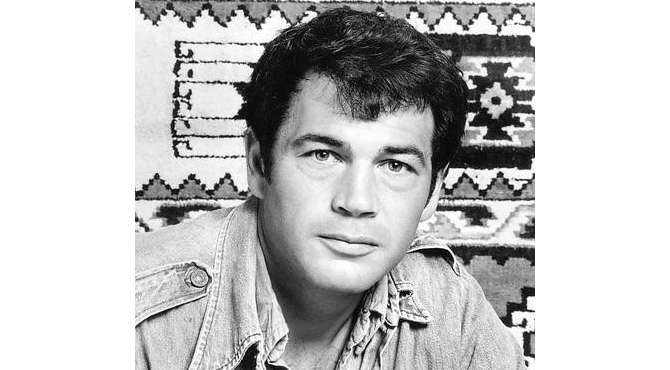
Today we honor Robert Forster, a master of quiet intensity whose unforgettable performances left an indelible mark on classic Hollywood, modern cinema, and everything in between.
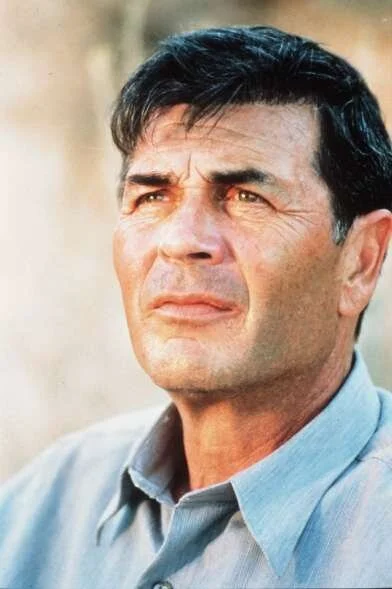
A Tribute to Robert Forster
Robert Forster was the kind of actor whose presence lingered long after the screen faded to black. He didn’t rely on spectacle or bravado; instead, he brought depth, intelligence, and a steady human truth to every role he played. Over a career that spanned more than five decades, Forster became a symbol of resilience in Hollywood—a performer who never stopped working, evolving, or surprising audiences.
Born in 1941, Robert Forster emerged during a transformative era in American film. From the beginning, he possessed a rugged authenticity that made him perfectly suited for crime dramas, Westerns, and morally complex stories. Early roles in films like Reflections in a Golden Eye and Medium Cool revealed an actor unafraid of nuance—someone who could convey strength and vulnerability in the same quiet moment.
Though his career experienced ebbs and flows, Forster never disappeared. Instead, he became one of cinema’s most respected character actors, building a body of work defined by consistency and integrity. He had the rare ability to elevate any project he appeared in, whether as a leading man or in a supporting role. Directors trusted him, fellow actors admired him, and audiences believed him.
His career-defining resurgence came with Quentin Tarantino’s Jackie Brown (1997), where his portrayal of bail bondsman Max Cherry earned him an Academy Award nomination. It was a performance built on restraint—gentle, thoughtful, and profoundly human. In Max Cherry, Robert Forster showed the power of understatement, proving that emotional weight does not need to be loud to be unforgettable. That role reintroduced him to a new generation and cemented his status as a true actor’s actor.
In the years that followed, Forster continued to shine in film and television, appearing in acclaimed projects such as Mulholland Drive, The Descendants, and Breaking Bad. His role as Ed Galbraith in Breaking Bad—the calm, methodical “disappearer”—became iconic, embodying the professionalism and moral ambiguity that defined so many of his best characters. Even in brief appearances, he commanded attention through stillness, timing, and authenticity.
What made Robert Forster especially admirable was his dedication to the craft itself. He never chased fame for its own sake. Instead, he focused on storytelling, character, and truth. He represented a generation of actors who believed in the work above all else—showing up prepared, grounded, and fully committed, regardless of the size of the role.
Off screen, Forster was known as thoughtful, articulate, and deeply respectful of film history. He understood where Hollywood had been and where it was going, and he bridged those worlds with ease. His career became a testament to perseverance, proving that talent combined with integrity can endure even in an ever-changing industry.
Robert Forster passed away in 2019, leaving behind a legacy defined not by hype, but by excellence. His performances remain a masterclass in subtlety and strength, reminding us that the most powerful moments in film often come from silence, from restraint, and from truth.
Though he is gone, Robert Forster lives on in the characters he brought to life—steady men, flawed men, human men—etched forever into the fabric of cinema. He will always be remembered as a consummate professional, a timeless presence, and a true Hollywood original.