
There are entertainers who become famous for a particular role, and then there are entertainers whose careers become part of the memories of several generations.
Alan Thicke belonged to the second group. He was an actor, writer, composer, producer, television host, and one of the most familiar faces of American television during the 1980s and beyond. Although he appeared in many different projects throughout his long career, millions of viewers will always remember him most fondly as Dr. Jason Seaver, the warm and sometimes wonderfully exasperated father on the beloved sitcom Growing Pains.
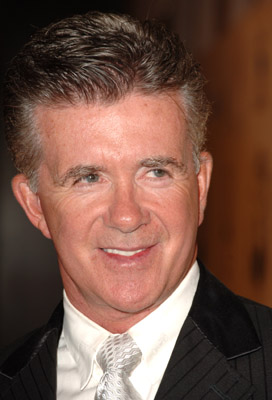
Alan Thicke had a remarkable ability to make audiences feel comfortable in his presence. Whether he was acting in a sitcom, appearing as a guest on television, hosting a program, or talking about his career, he possessed a natural warmth and humor that made him easy to like. His career was built over decades, and his contribution to television extended far beyond the character who made him a household name. He was a talented entertainer who understood the medium from many different perspectives, and his work continues to bring back memories for audiences who grew up watching him.
The Early Life of Alan Thicke
Alan Willis Thicke was born on March 1, 1947, in Kirkland Lake, Ontario, Canada. His Canadian upbringing remained an important part of his identity even after his career took him to the United States and eventually made him a familiar figure in Hollywood. From an early stage, Thicke demonstrated an interest in entertainment and developed a career that would eventually encompass acting, writing, music, and television production.
Before American audiences knew him as Jason Seaver, Thicke had already established himself within the television industry. His talents were not limited to appearing in front of the camera. He worked as a writer and producer and became involved in television variety programming. He also developed a reputation as a composer, contributing to television theme music and other creative projects. This broad experience gave him an understanding of television that many performers never have the opportunity to develop.
His early work demonstrated that he was much more than an actor looking for a role. Thicke understood how television was created, how entertainment was presented, and how audiences connected with the people they watched. Those skills would eventually help him become one of the most recognizable television personalities of his generation.

The Role That Changed Everything
In 1985, Alan Thicke became the face of one of television’s most beloved families when he was cast as Dr. Jason Seaver on Growing Pains. The series followed the Seaver family as they dealt with the everyday challenges of raising children, maintaining relationships, and navigating the many humorous and sometimes difficult situations that come with family life.
Jason Seaver was a psychiatrist, husband, and father who worked from home while trying to raise his children alongside his wife, Maggie, played by Joanna Kerns. Their children, including Mike, Carol, and Ben, each brought their own personalities and problems into the household. The show succeeded because audiences could recognize something familiar in the Seaver family. It was funny and entertaining, but it also understood that family life could be complicated.
Alan Thicke brought tremendous warmth to Jason Seaver. He did not portray him as a perfect father who always knew exactly what to do. Instead, Jason could be frustrated, confused, humorous, protective, and occasionally unsure of himself. He made mistakes, just as real parents do, but his love for his family was always clear. That humanity helped make the character so memorable.
For many viewers, Jason Seaver became one of the defining television fathers of the 1980s. He represented a particular kind of television parent who could offer advice while still being capable of laughing at himself. Thicke’s performance allowed the character to be both authoritative and approachable, and that combination helped audiences develop a genuine affection for him.
The Heart of Growing Pains
The success of Growing Pains was not based solely on comedy. The series also explored the challenges that families face as children grow older and begin to develop their own identities. The Seaver parents were often required to balance discipline with understanding, and Jason frequently found himself trying to guide his children without losing his patience.
Thicke handled those moments with an appealing mixture of humor and sincerity. He could deliver a comedic performance one moment and then shift naturally into a more emotional scene. That range gave Jason Seaver depth and helped prevent him from becoming a stereotypical sitcom father.
The relationship between Jason and his children was particularly important to the show’s appeal. Viewers could see that he genuinely wanted the best for them, even when he disagreed with their choices. He was a father who listened, worried, encouraged, and occasionally struggled to understand the world his children were growing up in.
For the generation that watched Growing Pains during its original run, the Seaver family became part of everyday life. Watching the show could feel like spending time with a familiar family. Alan Thicke was at the center of that experience, and his performance helped create memories that have lasted long after the series ended.

A Career Beyond Acting
Although Growing Pains became the role most closely associated with Alan Thicke, his career was far more extensive. His accomplishments as a writer and composer are especially important because they reveal another side of his talent that casual viewers might not have known.
Thicke worked on television programs behind the scenes and contributed to memorable television themes. His creative work included associations with programs such as The Facts of Life and Diff’rent Strokes. This part of his career demonstrated his ability to understand television as a complete form of entertainment rather than simply a place for actors to perform.
His experience as a writer, composer, and producer also helped explain why he was so comfortable in front of the camera. He understood timing, presentation, storytelling, and audience expectations. He had spent years learning how entertainment worked from behind the scenes before becoming one of its most recognizable performers.
That versatility was one of the greatest strengths of his career. He was able to move between different areas of entertainment without losing the personality that audiences had come to appreciate.
Life After Growing Pains
When Growing Pains ended, Alan Thicke continued working rather than allowing his career to be defined solely by the sitcom. He appeared in numerous television programs and films and made guest appearances across different genres. He also remained a familiar presence on talk shows and entertainment programs.
One of the qualities that made Thicke so appealing was his willingness to embrace the fact that audiences associated him so strongly with Jason Seaver. Rather than rejecting that image, he often played along with it and demonstrated that he had a good sense of humor about his own celebrity.
He understood that audiences enjoyed seeing familiar personalities return to their screens. At the same time, he continued to take on new opportunities and introduced himself to viewers who knew him from different periods of his career. This helped him remain visible across multiple generations.
His career is a good example of professional longevity. Many actors become strongly associated with one successful role and struggle to remain active once the program ends. Thicke, however, continued to find work and new ways to entertain audiences for many years.
His Natural Sense of Humor
Alan Thicke had a relaxed and confident sense of humor that became an important part of his public personality. He could be funny without appearing to demand attention, and he seemed comfortable allowing a conversation or performance to develop naturally.
That quality made him an effective guest on television programs as well as a successful actor. He knew how to tell a story, respond to another person’s humor, and laugh at himself. He understood that being entertaining was not always about being the loudest person in the room. Sometimes it was about knowing exactly when to make a joke and when to simply enjoy the moment.
His humor also helped him remain connected to audiences after the era of Growing Pains. Viewers who had grown up watching him could see the same familiar personality in his later appearances, while younger viewers could discover him without necessarily knowing his earlier work.
A Proud Canadian
Although Alan Thicke achieved much of his fame in the United States, he remained closely connected to his Canadian roots. His journey from Ontario to international television success was an impressive example of Canadian talent making a lasting impact on American popular culture.
He became part of a generation of Canadian entertainers who successfully built careers across the border while maintaining a connection to their homeland. His accomplishments were a source of pride for Canadian audiences, while viewers around the world simply appreciated him for the talent and personality he brought to television.
His Canadian background was an important part of his identity, but it never limited his appeal. He became a truly international television personality whose work could be appreciated by audiences regardless of where they lived.
Alan Thicke as a Father
There was an interesting connection between Alan Thicke’s most famous role and his real life. On Growing Pains, he played a father trying to guide his children through the complicated process of growing up. Away from television, he was also a father who watched his own children grow and develop their own careers.
Thicke had three sons, including singer and songwriter Robin Thicke. His family’s connection to entertainment became another interesting chapter in his life, particularly as his children developed identities and careers of their own.
The public naturally associated Alan Thicke with fatherhood because of Jason Seaver, but his real family life existed independently of the character. Still, there was something fitting about the fact that a man who spent so many years portraying a television father also experienced the joys and challenges of fatherhood in his own life.
The Final Chapter of His Life
Alan Thicke remained active in entertainment throughout his later years. He continued making television appearances and participating in projects, demonstrating the same enthusiasm for the industry that had characterized his career from the beginning.
On December 13, 2016, Alan Thicke died at the age of 69 after suffering a heart attack while playing hockey with his son Carter. His death came as a shock to many fans and colleagues, particularly because he had remained such a familiar and active presence in popular culture.
News of his passing prompted an outpouring of tributes from people who had worked with him and from viewers who had grown up watching him. Many remembered Jason Seaver, while others remembered his work as a writer, composer, host, and television personality.
For fans, however, the loss was deeply personal. Even though they had never met him, millions of people had spent years watching him on television. His face and voice had been part of their lives, particularly for those who had grown up with Growing Pains.
Why His Legacy Endures
Some television performers remain famous for a few years and then gradually disappear from public memory. Alan Thicke was different. His work became connected with nostalgia, and nostalgia has a remarkable ability to preserve memories.
When people watch an old episode of Growing Pains, they are not simply watching a sitcom from another era. They may be remembering their childhood, their parents, their siblings, or evenings spent watching television with their families. Alan Thicke’s performance as Jason Seaver became part of those memories.
That is one of the most powerful forms of an entertainer’s legacy. A performance can become attached to a particular period in someone’s life, and whenever that performance is revisited, the memories return with it.
Alan Thicke gave audiences countless such memories.
Remembering Jason Seaver
Jason Seaver remains one of the most recognizable television fathers of his generation because Alan Thicke never treated him as a one-dimensional character. He gave Jason a personality, imperfections, humor, and emotional depth.
Jason could be serious when his children needed guidance, but he could also laugh at himself. He could be frustrated, but his frustration was usually rooted in concern. He could disagree with his children while still making it clear that he loved them.
Those qualities made him believable.
They also made him memorable.
The character became a symbol of a particular era of family television, and Alan Thicke’s performance remains at the center of that legacy.
More Than a Television Father
It is important to remember that Alan Thicke was much more than the character that made him famous. His career included decades of creative work that stretched across acting, writing, music, producing, and hosting.
He was part of the television industry in ways that audiences often never saw. Before viewers knew him as Jason Seaver, he had already spent years helping create entertainment behind the scenes. That experience makes his career even more impressive.
He wasn’t simply someone who found fame through one successful sitcom. He was a lifelong entertainer who continued to work, create, and adapt throughout a rapidly changing industry.
His career reflected both talent and persistence.
The Meaning of a Lasting Legacy
Awards can be counted, credits can be listed, and television ratings can be studied, but those things do not completely explain why certain entertainers remain in people’s hearts.
Alan Thicke is remembered because he created a connection with his audience. He made people laugh, he gave viewers a character they cared about, and he became part of the memories of people who watched him during important years of their lives.
That kind of connection cannot be measured by numbers alone.
It is found in the moments when someone hears his name and immediately remembers Jason Seaver. It is found in the feeling that comes from seeing an old episode of Growing Pains and suddenly being transported back to another time.
It is found in the simple realization that an entertainer who once seemed like a permanent part of television is now gone, while the work he created continues to live.
Thank You, Alan Thicke
Alan Thicke spent his life entertaining people. He made audiences laugh, helped create memorable television, and portrayed a father who became deeply familiar to millions of viewers.
His career was remarkable because it was never limited to one talent. He could act, write, compose, produce, host, and entertain, and he brought intelligence and humor to everything he did.
For many people, however, the most important part of his legacy will always be the emotional connection created by Jason Seaver. He was the father who appeared in their living rooms week after week. He was part of their childhood memories and part of an era of television that continues to hold a special place in the hearts of viewers.
Alan Thicke may have left the world in 2016, but his work did not leave with him. His performances remain available for new generations to discover, while longtime fans can return to them whenever they want to revisit the memories of another time.
That is the beautiful thing about television. The people who create it eventually leave us, but the moments they gave us can remain forever.
Alan Thicke gave audiences many moments.
He gave them laughter, warmth, music, memorable performances, and a television family that became part of popular culture.
He gave us Jason Seaver.
And through Jason, he became part of countless real families.
Forever Remembered
Years will continue to pass, and television will continue to change. New performers will become famous, new programs will capture the attention of audiences, and new generations will create their own favorite memories.
But some entertainers remain connected to the past in a way that never truly disappears.
Alan Thicke is one of them.
He will be remembered whenever Growing Pains is watched again. He will be remembered by those who grew up seeing him on television. He will be remembered for his humor, his versatility, his creativity, and the warmth he brought to his work.
Most of all, he will be remembered because he made people feel something.
He made them laugh.
He made them care about a fictional family.
He became a familiar presence during a formative part of their lives.
And that is a legacy no award or television rating can fully measure.
Alan Thicke was a talented entertainer, a beloved television father, and a man whose career touched generations of viewers. His journey from Canada to international television fame was remarkable, but perhaps his greatest achievement was much simpler: he became someone people remembered fondly.
And as long as people continue to watch his work, share memories of Growing Pains, and smile when they see his familiar face on the screen, Alan Thicke will continue to be part of the family.
Rest in peace, Alan Thicke. Your work remains, your memories remain, and the laughter you gave us will never be forgotten.