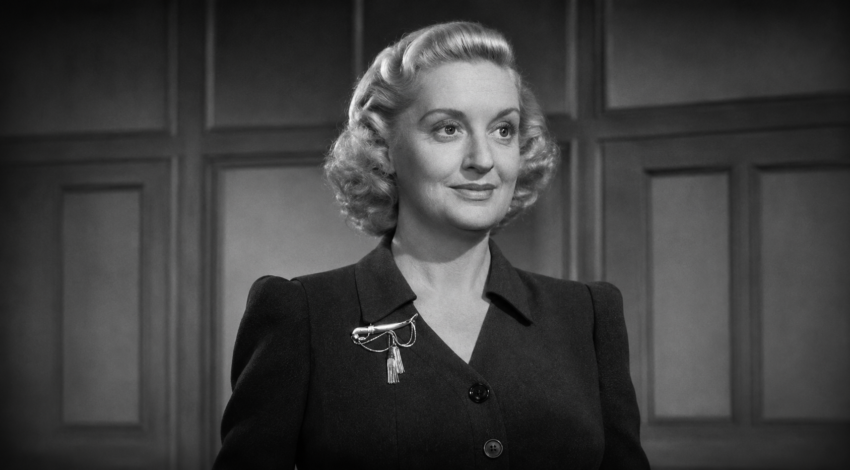
Forty-four years after Lee Patrick’s death, her performances remain woven into some of Hollywood’s most enduring films and television memories. Whether playing Sam Spade’s capable secretary in The Maltese Falcon, the fluttery Henrietta Topper on television, or the socially pretentious Doris Upson in Auntie Mame, she had a gift for making supporting characters memorable.
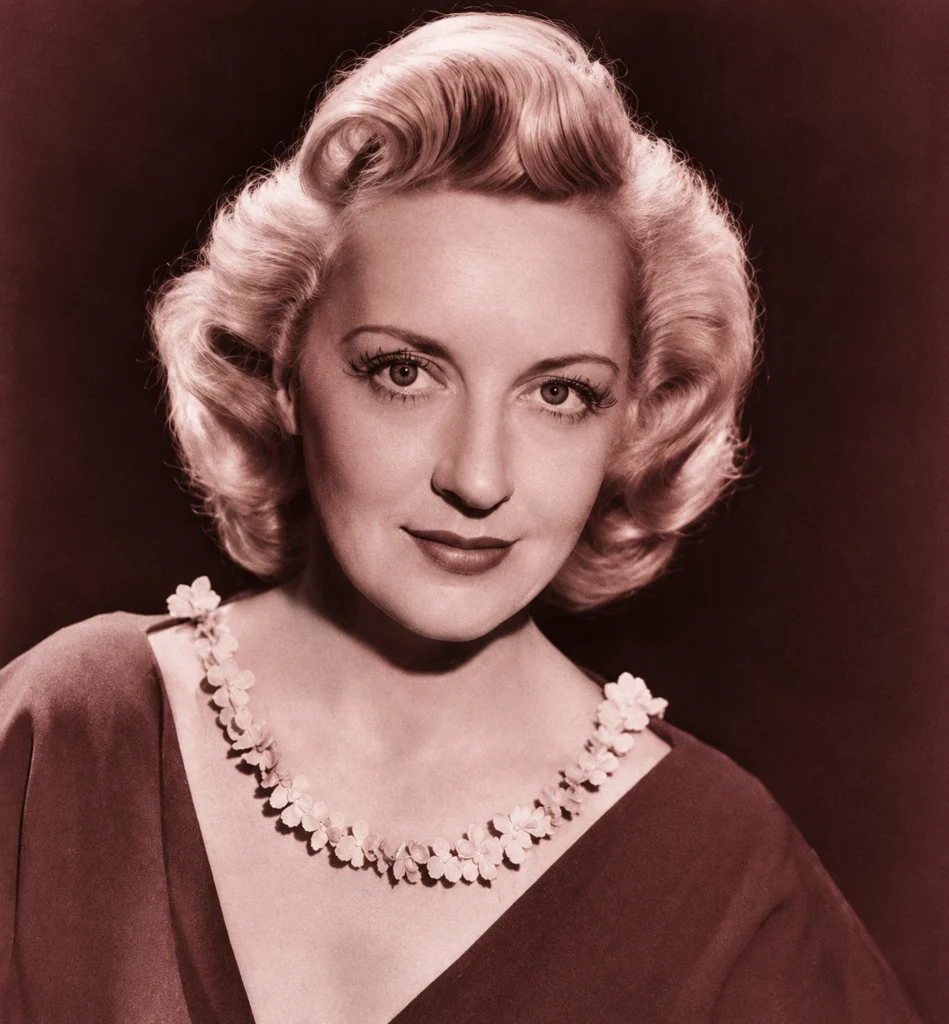
Patrick died on November 25, 1982. On the anniversary of her passing, we remember an actress whose versatility helped her move between crime dramas, sophisticated comedies, domestic farce and television.
Her career offers a reminder of how much supporting performers contribute to the stories audiences treasure. A leading actor may carry the central plot, but the people surrounding that character give the story its texture, humor and humanity.
Lee Patrick understood that work.
A Career That Began on the Stage
Before becoming a familiar Hollywood presence, Patrick worked in the theater.
Her Broadway credits included the 1922 musical The Bunch and Judy, a production featuring Adele and Fred Astaire. It was an early chapter in a career that would eventually span decades of screen entertainment.
Stage experience demanded that performers establish a character through voice, movement and timing. Those abilities became useful tools in Patrick’s film work, where she often had limited time to make an impression.
She could suggest confidence, impatience, social ambition or confusion without slowing a scene. Her characters felt as though they had lives beyond the moments audiences saw.
Effie in The Maltese Falcon
For many film lovers, Patrick’s defining role remains Effie, the secretary to Humphrey Bogart’s private detective Sam Spade in John Huston’s The Maltese Falcon.
Released in 1941, the film surrounds Spade with people whose motives are difficult to trust. Patrick’s Effie offers a different presence: practical, observant and capable of dealing with her employer’s complicated world.
Her scenes bring a measure of everyday familiarity to a story filled with manipulation and danger. She is comfortable enough around Spade to speak plainly, helping audiences see a side of him that his encounters with clients and adversaries do not always reveal.
Patrick makes the relationship convincing through an easy, economical performance. She does not need a grand entrance or a lengthy speech to establish that Effie belongs in that office.
It is precisely the kind of supporting work that becomes more rewarding with repeated viewing.
Bringing Henrietta Topper Into American Homes
Patrick found another lasting role on television as Henrietta Topper in Topper, which aired on CBS from 1953 to 1955.
The supernatural comedy starred Leo G. Carroll as Cosmo Topper, whose orderly life is repeatedly disrupted by the ghosts played by Anne Jeffreys and Robert Sterling.
As Cosmo’s wife, Patrick brought a lighter comic style to the screen. Henrietta’s reactions and misunderstandings helped turn the show’s improbable situations into domestic comedy.
The role showed how different Patrick could be from the assured secretary audiences remembered from The Maltese Falcon. Her timing, vocal delivery and manner could shift to suit an entirely different kind of character.
For viewers who first encountered her through Topper, she became a familiar part of television’s early sitcom years.
A Memorable Comic Turn in Auntie Mame
In the 1958 film Auntie Mame, Patrick played Doris Upson, one of the conventional, status-conscious figures who clash with Rosalind Russell’s exuberant Mame Dennis.
Doris belongs to a world of carefully maintained appearances and narrow expectations. Patrick helps make that world recognizable—and ripe for comedy.
The performance works because she takes the character’s concerns seriously. Doris does not consider herself ridiculous, even when the audience can see the absurdity of her attitudes.
That ability to inhabit a comic character without stepping outside the scene was one of Patrick’s strengths. She gave the film another distinct personality within its lively ensemble.
A Familiar Face Across Classic Hollywood
Patrick’s filmography also includes Now, Voyager, Mildred Pierce, Vertigo, Pillow Talk and 7 Faces of Dr. Lao.
The variety of those productions reflects the range of her working career. She appeared in films now remembered for romance, psychological tension, comedy and fantasy.
Her presence across so many different stories is part of what makes revisiting her work enjoyable. Viewers may recognize her face before remembering her name, then begin noticing how often she appears in films they already love.
Supporting roles require their own discipline. An actor must establish enough personality to make a scene believable while remaining responsive to the larger story. Patrick repeatedly demonstrated that balance.
Returning to a Familiar Character
Although Patrick stepped back from regular screen work in the 1960s, she returned as Effie in the 1975 comedy The Black Bird, starring George Segal.
The film revisited the world of The Maltese Falcon through parody, allowing her to return to a character she had played more than three decades earlier.
That appearance provides an unusual connection between two periods of Hollywood filmmaking. It also gave audiences another opportunity to see the actress behind one of classic cinema’s familiar supporting faces.
Remembering Lee Patrick Today
An anniversary tribute offers a chance to notice work that can be overlooked when attention rests mainly on a film’s biggest stars.
Patrick helped make an office feel like a functioning workplace, a household feel like a marriage, and a social encounter reveal its underlying tensions. Her performances could be sharp, warm, fussy or delightfully exasperated, depending on what the story required.
Forty-four years after her passing, those contributions remain available whenever her films and television episodes are watched again.
Today, we remember Lee Patrick with appreciation for a long working life in entertainment—and for the skill that made so many of her characters worth remembering.
Rest in peace, Lee Patrick. Your place in classic Hollywood lives on through the performances you left behind.