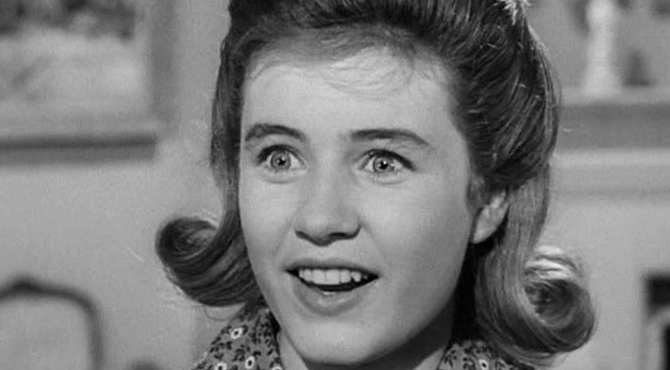
Some stars leave behind a legacy that goes far beyond the movies and television shows in which they appeared. They become part of our memories, our childhoods, and the history of entertainment itself. Patty Duke was one of those remarkable performers. A gifted actress who rose to fame at a young age, she captivated audiences with her emotional depth, natural screen presence, and extraordinary ability to bring complex characters to life.
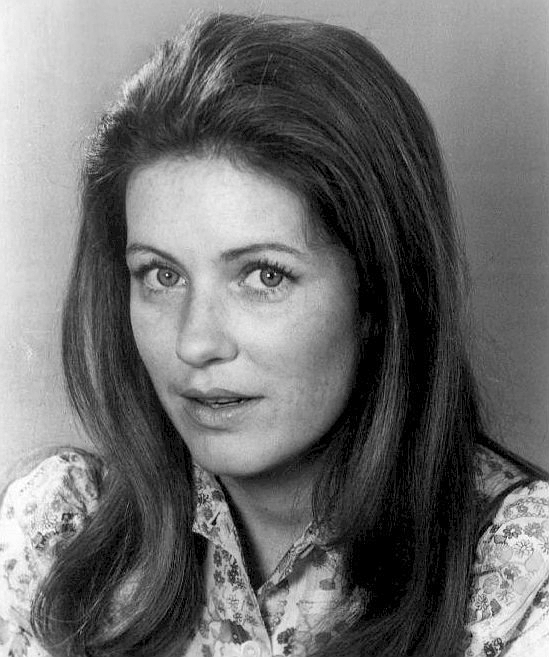
Best remembered for her Academy Award-winning performance as Helen Keller in The Miracle Worker and her popular television series The Patty Duke Show, Duke built a career that spanned decades. She experienced the dazzling heights of Hollywood fame, faced deeply personal challenges, and eventually became an outspoken advocate for mental health awareness.
Her story was one of talent, determination, vulnerability, and resilience. Behind the familiar face of a beloved actress was a woman whose life was not always easy, but whose courage and accomplishments left a lasting mark on the entertainment industry.
When Patty Duke passed away on March 29, 2016, at the age of 69, the world lost a talented actress whose performances had touched millions. Yet her work continues to reach new audiences, reminding us of the extraordinary power of storytelling and the enduring strength of the human spirit.
Early Life: A Young Girl With Extraordinary Potential
Patty Duke was born Anna Marie Duke on December 14, 1946, in Elmhurst, Queens, New York City. She grew up in a working-class family, and her early years were far removed from the glamorous image of Hollywood that would eventually surround her.
Her childhood was complicated by family difficulties, and she entered the entertainment business while still very young. Her talent became apparent early, and she soon began working professionally as a child performer.
Like many young actors of her generation, Duke entered a world that demanded discipline, long working hours, and the ability to perform under pressure. While other children were concentrating on school, friendships, and ordinary childhood activities, she was learning the responsibilities of a professional career.
Her early development as an actress was guided by people who recognized her potential and helped her secure opportunities in the industry. As her career progressed, she demonstrated a remarkable capacity to understand emotional situations and communicate them convincingly on screen.
Even as a young performer, Duke possessed an intensity that made her stand out. She could portray innocence, fear, determination, and sadness with a sincerity that audiences found compelling.
Those qualities would soon lead her to a role that changed her life forever.
The Miracle Worker: A Performance That Made History
In 1959, Patty Duke appeared in the Broadway production of The Miracle Worker, a powerful drama based on the relationship between Helen Keller and her teacher, Anne Sullivan.
Helen Keller, who lost her sight and hearing as a young child, became one of the most inspiring figures in American history. Her extraordinary journey toward communication and education, guided by Sullivan’s persistence, was a story of determination against overwhelming obstacles.
Duke played Helen Keller opposite Anne Bancroft, who portrayed Anne Sullivan. The production demanded enormous emotional and physical commitment from both actresses.
For Duke, the role required much more than memorizing dialogue. Helen’s experiences had to be communicated through movement, facial expression, physical interaction, and an understanding of a character whose world was shaped by the absence of sight and hearing.
The performance was demanding, but Duke rose to the challenge.
Her portrayal was intense, moving, and remarkably convincing. She captured Helen’s frustration, fierce determination, confusion, and gradual discovery of language. Audiences witnessed a young performer who could communicate profound emotion without relying on conventional dialogue.
The Broadway production earned widespread acclaim, and Duke’s performance became a defining moment in her early career.
When The Miracle Worker was adapted into a film in 1962, Duke reprised her role, with Anne Bancroft again playing Anne Sullivan.
The film brought the story to an even wider audience and preserved one of the most celebrated performances of Duke’s career.
At the 1963 Academy Awards, she won the Oscar for Best Supporting Actress for her portrayal of Helen Keller. She was just 16 years old, becoming one of the youngest competitive acting winners in the history of the Academy Awards at that time.
This achievement placed her among Hollywood’s most remarkable young talents.
Yet the significance of the performance extended beyond awards and recognition. Duke helped bring Helen Keller’s extraordinary story to life for generations of viewers, many of whom encountered it through the film.
Her work demonstrated that a young actress could deliver a performance of remarkable complexity and emotional power.
A Hollywood Sensation at Just Sixteen
Winning an Academy Award at such a young age brought Patty Duke tremendous attention. She had achieved something that many experienced actors spend their entire careers pursuing.
Suddenly, she was no longer simply a promising young performer. She was an Oscar-winning actress whose talent had been recognized at the highest level of the film industry.
However, early fame can be complicated, particularly for someone who is still growing up.
The expectations placed on a young star can be enormous. Every new performance is compared with previous achievements, and the public often expects a child performer to transition seamlessly into adult success.
Duke had to navigate those pressures while continuing to develop personally and professionally.
Her early success also created opportunities in television, which was becoming an increasingly important part of American entertainment. She soon found another role that would make her a familiar face in households across the country.
That role would introduce audiences to a very different side of her talent.
The Patty Duke Show: Two Cousins, One Remarkable Actress
In 1963, Patty Duke became the star of The Patty Duke Show, a television sitcom that ran from 1963 to 1966.
The series centered on Patty Lane, an energetic American teenager, and her Scottish cousin Cathy Lane, who came to live with Patty’s family. Although the cousins looked remarkably alike, they had very different personalities.
Patty was outgoing, impulsive, and adventurous, while Cathy was more reserved, thoughtful, and proper.
The show’s famous premise allowed Duke to play both cousins, often appearing in the same scene through the use of television production techniques.
For a young actress, playing two principal characters in one series was a significant undertaking. Each character required a distinct personality, manner of speaking, and style of behavior.
Duke handled the challenge with impressive skill.
She made Patty lively and relatable, capturing the enthusiasm, insecurities, and occasional rebelliousness of adolescence. As Cathy, she adopted a more restrained manner, creating a character whose careful behavior provided a humorous contrast to Patty’s spontaneity.
The result was a sitcom that appealed to families and young viewers alike.
The show’s theme song famously explained that the cousins were identical in appearance but different in personality. That simple concept became one of the series’ most recognizable features.
For many viewers, The Patty Duke Show was their introduction to Duke as a television star rather than a dramatic child actress.
It also demonstrated her versatility. She could move from the intense emotional demands of The Miracle Worker to the lighter rhythms of situation comedy without losing her distinctive screen presence.
The series became an important part of 1960s television history, and its popularity ensured that Duke remained a familiar figure long after her Oscar-winning performance.
Growing Up in the Public Eye
Patty Duke’s transition from child star to adult actress was not without difficulties.
The entertainment industry can be unforgiving toward young performers as they grow older. Roles change, public expectations shift, and the image that made someone famous during childhood may no longer fit the person they are becoming.
Duke experienced the challenge of trying to establish an adult identity while remaining associated with the success of her early years.
Her career required her to move beyond the roles that had defined her youth. She pursued opportunities in television, film, and theater, demonstrating that she possessed a broader range than her early fame might have suggested.
At the same time, she faced personal pressures that were not always visible to the public.
The demands of professional life, complicated relationships, and the experience of growing up under public scrutiny contributed to a life that was considerably more complex than the glamorous image associated with Hollywood success.
Duke’s story reminds us that fame does not shield people from hardship. Recognition, awards, and professional achievement can coexist with private uncertainty and emotional struggles.
Her willingness to speak publicly about some of those experiences later in life helped make her story meaningful to people beyond the entertainment industry.
An Actress Who Continued to Evolve
Although Patty Duke became famous as a teenager, she did not limit herself to the roles that had initially brought her recognition.
As she matured, she continued working in television movies, dramatic productions, and other screen projects. Her career demonstrated that she remained committed to acting and willing to explore different types of characters.
She appeared in a wide range of television productions and developed a reputation as a dependable and capable dramatic performer.
Her work allowed her to revisit themes of family, identity, vulnerability, and personal conflict. These subjects often require actors to communicate emotions that are difficult to express through words alone.
Duke’s experience in The Miracle Worker had demonstrated her ability to convey powerful feelings through physical performance and emotional precision. Throughout her later career, she continued drawing on those abilities.
She also appeared in productions that allowed her to explore the lives of women confronting difficult circumstances.
Rather than remaining permanently identified with the teenager audiences had first come to know, she continued building a professional life that reflected changing interests and growing experience.
Her career was not defined by a single period of popularity. It was an evolving journey that included extraordinary early success, periods of personal difficulty, and renewed professional recognition.
Winning an Emmy and Earning New Recognition
Patty Duke’s achievements were not limited to her Academy Award.
Over the course of her career, she received multiple Emmy Awards for her work in television, demonstrating her continued ability to deliver compelling performances beyond her earliest roles.
Among her notable television performances was the 1970 television film My Sweet Charlie, in which she portrayed a young pregnant white woman who befriends a Black lawyer while confronting prejudice and social hostility.
The production addressed difficult issues involving race, discrimination, and human relationships. Duke’s performance earned her the Primetime Emmy Award for Outstanding Single Performance by an Actress in a Leading Role in a Drama.
The role demonstrated that she could handle serious material and participate in stories that challenged audiences to think about social injustice and human dignity.
Her later television work further established her as an actress capable of emotional depth and professional versatility.
These accomplishments were important because they showed that Duke’s early Oscar had not been an isolated achievement. She continued to develop her craft and receive recognition for work that addressed a broad range of human experiences.
Her career offers a powerful example of the importance of persistence in an industry that frequently focuses on the newest faces and latest successes.
Duke continued to work, learn, and take on new challenges, building a body of performances that extended far beyond the roles that first made her famous.
Personal Struggles Behind the Public Image
For many years, audiences knew Patty Duke primarily through her performances. The actress they saw on screen could appear confident, expressive, and in control of her character.
Her personal experiences, however, included significant struggles that were not always understood at the time.
In later years, Duke spoke openly about her experiences with bipolar disorder, a mental health condition that can involve episodes of depression and periods of unusually elevated or irritable mood.
She was diagnosed in adulthood after years of difficulties that had affected her personal life and well-being.
At the time, public understanding of mental illness was more limited than it is today. Many people experiencing serious mental health challenges faced stigma, misunderstanding, and difficulty obtaining appropriate support.
Duke’s willingness to discuss her diagnosis helped bring greater public attention to mental health.
She described aspects of her experiences in her autobiography, Call Me Anna, published in 1987. The book offered readers a more personal perspective on the woman behind the familiar television image.
By sharing her story, she helped challenge the idea that mental illness should be hidden or treated as a source of shame.
Her openness also encouraged conversations about the importance of diagnosis, treatment, and support for people living with mental health conditions.
It is important not to reduce her life to her diagnosis. Patty Duke was a talented performer, a mother, a professional, and a person with many dimensions beyond her health.
Nevertheless, her advocacy became an important part of her public legacy.
She used her visibility to help others understand that mental health challenges can affect people from every background, including those whose lives appear successful from the outside.
Her story continues to remind audiences that compassion and understanding matter, particularly when someone is struggling with difficulties that may not be immediately apparent.
Becoming a Voice for Mental Health Awareness
As Patty Duke grew older, she became increasingly associated with mental health advocacy.
She spoke publicly about bipolar disorder and the importance of understanding mental illness as a genuine health concern rather than a personal failing.
Her advocacy was significant because she was a recognizable public figure who could use her experiences to reach audiences that might otherwise have paid little attention to the subject.
She helped explain why mental health conditions deserve serious attention and why people experiencing symptoms should have access to appropriate professional care.
Her public statements also challenged stereotypes about mental illness and the assumption that a person’s achievements somehow make them immune to emotional or psychological difficulties.
Duke’s willingness to share personal experiences required courage. Discussing mental health in public can expose a person to misunderstanding and judgment, particularly when the subject is surrounded by stigma.
By speaking openly, she helped make the conversation more human.
Her story showed that a person can experience significant mental health challenges while also maintaining relationships, pursuing professional goals, and making valuable contributions to society.
Her advocacy remains relevant because mental health awareness continues to be an important issue around the world.
Although public understanding has improved in many places, people living with mental health conditions can still encounter discrimination and barriers to support.
Duke’s example encourages us to approach these issues with empathy, accurate information, and respect for the dignity of those affected.
Her contribution to mental health awareness stands alongside her acting achievements as an important part of the legacy she left behind.
Family, Relationships, and the Private Side of Her Life
Patty Duke’s personal life included relationships and family experiences that unfolded alongside her professional career.
She was married several times and was the mother of three sons, including actor Sean Astin, who became widely known for his roles in The Goonies, Rudy, and The Lord of the Rings film trilogy.
Her family life was an important part of her identity, although the demands of acting and the pressures of public attention could make balancing professional and personal responsibilities difficult.
Like many people, she experienced periods of change and uncertainty. Her life included joyful moments as well as painful experiences, and her public image could never fully convey the complexity of her private world.
Her relationship with her children and the family connections she maintained were important chapters in her life.
Remembering Duke as a complete person means acknowledging that she was more than an award-winning actress. She was also a mother, a woman who experienced personal challenges, and an individual who continued searching for stability and meaning throughout her life.
Her story is a reminder that the people we admire from a distance have lives that are every bit as complicated and emotionally significant as our own.
The roles she played allowed audiences to experience a wide range of human emotions, while her personal experiences offered another perspective on resilience, vulnerability, and the importance of support.
Patty Duke’s Place in Hollywood History
Patty Duke occupies a distinctive place in American entertainment history because her career connected several generations of performers and viewers.
She began working as a child, achieved major recognition as a teenager, became a popular television star, and continued working as an adult actress.
Few careers follow such a varied path.
Her performance in The Miracle Worker remains a milestone in film history, demonstrating the remarkable work that a young actor can accomplish when given a demanding and meaningful role.
Her success in The Patty Duke Show represents another important chapter, capturing the tone and interests of American television during the 1960s.
Her later dramatic performances demonstrated her continued ability to take on serious material, while her mental health advocacy showed how a public figure could use personal experience to help others.
These different aspects of her life complement one another.
The young actress who portrayed Helen Keller was not the same person she would become decades later. She matured, gained experience, faced difficulties, and developed a deeper understanding of herself and the world around her.
That evolution is part of what makes her story so compelling.
Her career illustrates that a performer can remain meaningful to audiences even as the entertainment industry changes around them. It also demonstrates that a legacy is not simply a record of professional accomplishments, but a combination of creative work, personal growth, and contributions to the wider community.
Remembering the Young Patty Duke
Photographs of Patty Duke in her younger years capture a performer at the beginning of an extraordinary journey.
In early publicity portraits, television appearances, and images from The Miracle Worker, viewers can see the youthful face that first introduced her to millions of people.
Those photographs are more than reminders of changing hairstyles or the fashions of earlier decades. They represent the beginning of a career that would bring her international recognition and introduce her work to audiences across generations.
Her younger self was already demonstrating the intensity and emotional intelligence that would become defining features of her acting.
As a teenager, she possessed the rare ability to communicate complicated feelings with striking clarity. That talent helped her make Helen Keller a character audiences could understand and empathize with.
Later photographs show a woman who continued to evolve while remaining connected to the profession that had shaped much of her life.
Looking back at those images, it is easy to focus on the fame that followed. But behind every photograph was a young person learning to navigate an adult profession, facing the expectations of others, and gradually discovering who she was.
Remembering her youth allows us to appreciate not only the star she became but also the dedication and effort required to build such a lasting career.
Her journey from child performer to respected actress remains an inspiring part of her story.
The Final Chapter: March 29, 2016
Patty Duke died on March 29, 2016, at the age of 69. She passed away in Coeur d’Alene, Idaho, from sepsis caused by a ruptured intestine.
Her death brought an end to a life filled with remarkable achievements, personal struggles, and meaningful contributions to the arts and mental health awareness.
News of her passing prompted tributes from admirers and people in the entertainment industry who remembered her as an accomplished actress and a woman who had spoken courageously about difficult personal experiences.
For viewers who had grown up watching The Patty Duke Show, her death brought back memories of an earlier era of television.
For those who knew her through The Miracle Worker, it was a moment to reflect on the extraordinary performance that had established her as one of Hollywood’s most gifted young actresses.
Others remembered her later television work, her Emmy-winning performances, and her willingness to speak publicly about bipolar disorder.
Different audiences remembered different parts of her life, but all could recognize the lasting effect she had made.
Her passing also served as a reminder of how much one person’s career can contribute to the shared cultural memory of several generations.
Although Patty Duke was no longer here, her performances remained available for audiences to revisit. Her work could continue to introduce new viewers to the actress who had once astonished the world as a teenager.
Her life had come to an end, but the stories she helped tell remained alive.
The Enduring Legacy of Patty Duke
Patty Duke’s legacy cannot be measured by one award, one television series, or one chapter of her life.
She was an Academy Award-winning actress whose performance in The Miracle Worker remains an important achievement in American cinema.
She was a television star who brought two contrasting characters to life in The Patty Duke Show, entertaining audiences with her versatility and charm.
She was a dramatic performer who continued to take on challenging roles and earn recognition throughout her career.
She was also a mental health advocate who used her public platform to encourage greater understanding of bipolar disorder and the challenges faced by people living with mental illness.
These accomplishments form a legacy that extends beyond entertainment.
Her career reminds aspiring actors that early success can be the beginning of a long journey rather than the final destination. Her personal story reminds us that public recognition does not eliminate private struggles. Her advocacy reminds us that speaking honestly about difficult experiences can help other people feel less alone.
She also demonstrated that it is possible to redefine one’s public identity over time.
Although many people first knew her as the young actress from The Miracle Worker or the star of a 1960s sitcom, she continued to grow beyond those roles and make contributions in other areas.
That willingness to evolve is one of the most valuable lessons her life offers.
Patty Duke was a performer whose work touched audiences, but she was also a person whose experiences helped broaden public understanding of an important issue.
Her story deserves to be remembered in its entirety, with appreciation for her talent, respect for her challenges, and gratitude for the contributions she made.
A Final Tribute to a Star Who Will Never Be Forgotten
When we think of Patty Duke, we may first remember the determined young actress who portrayed Helen Keller, the teenager who brought two cousins to life on television, or the accomplished performer who continued working for decades.
But her story invites us to remember something more.
We should remember a woman who experienced extraordinary success at a young age and continued working through the many changes that followed. We should remember an actress who brought emotion, intelligence, and dedication to her performances. We should remember someone who chose to speak openly about mental health at a time when many people were still reluctant to discuss it.
Her life was not a fairy tale, and that is part of what makes her story meaningful.
Behind the awards and the public recognition were personal challenges, complicated relationships, and the ordinary human desire to find happiness, understanding, and peace.
Patty Duke’s journey reminds us that people should never be defined by a single achievement or a single difficulty. Every life contains many chapters, and each deserves to be understood with compassion.
Her performances will continue to be watched and appreciated by audiences who may have been born long after her greatest successes. Young viewers can still discover The Miracle Worker and witness the extraordinary talent that made her an Academy Award winner. Television fans can still enjoy The Patty Duke Show and experience the charm that made her a household name.
And those who learn about her advocacy can discover a woman who used her experiences to help others understand the importance of mental health.
That is a legacy worth celebrating.
Patty Duke may have left this world in 2016, but the work she created and the conversations she helped inspire continue to matter.
Rest in peace, Patty Duke. Thank you for the unforgettable performances, the courage to share your story, and the lasting contribution you made to Hollywood and mental health awareness.
You gave audiences moments of wonder, laughter, and reflection. Your journey reminded us that strength can exist alongside vulnerability and that a person’s legacy can reach far beyond the screen.
Though the curtain has fallen on your remarkable life, your work continues to speak to us.
You will always be remembered as the extraordinary young actress who became a Hollywood legend—and as a woman whose courage helped others feel less alone.